Ok, lets get into how to do Golden Hour photography.
It's honestly one of the best moments to take a picture.
It's a soft, golden glow and happens right before sunset. Good shots can be taken by just waiting around for about an hour but, great shots take some steps.
This article is for a person that does not plan on using a flash.
let me explain in 3 simple steps.
1. Be in the right place at the right time.
It happens 2x a day. Timing is key when it comes to golden hour. The window is short and if you're late you'll miss it. First, find out on google what time golden hour will be in your specific area or in the area that the photoshoot will be. its simple, literally copy and paste this:
"What time will golden hour be near me" or "What time will golden hour be in *ENTER LOCATION/ZIP CODE*"
Once you know the time, you should plan to be there at least 30 minutes early. Unexpected events can happen so, to be on the safe side you want to make sure you and your model/client get there early.
Traffic, parking, hiking to a good spot, all of these things and more can get in the way of your planned shoot and make you have to either reschedule or settle with an unideal shoot.
*Also, keep an eye out for the weather.
*A complete overcast sky will block the "goldenness" of golden hour.
Human: how long does golden hour last?
Nature: 60 minutes.
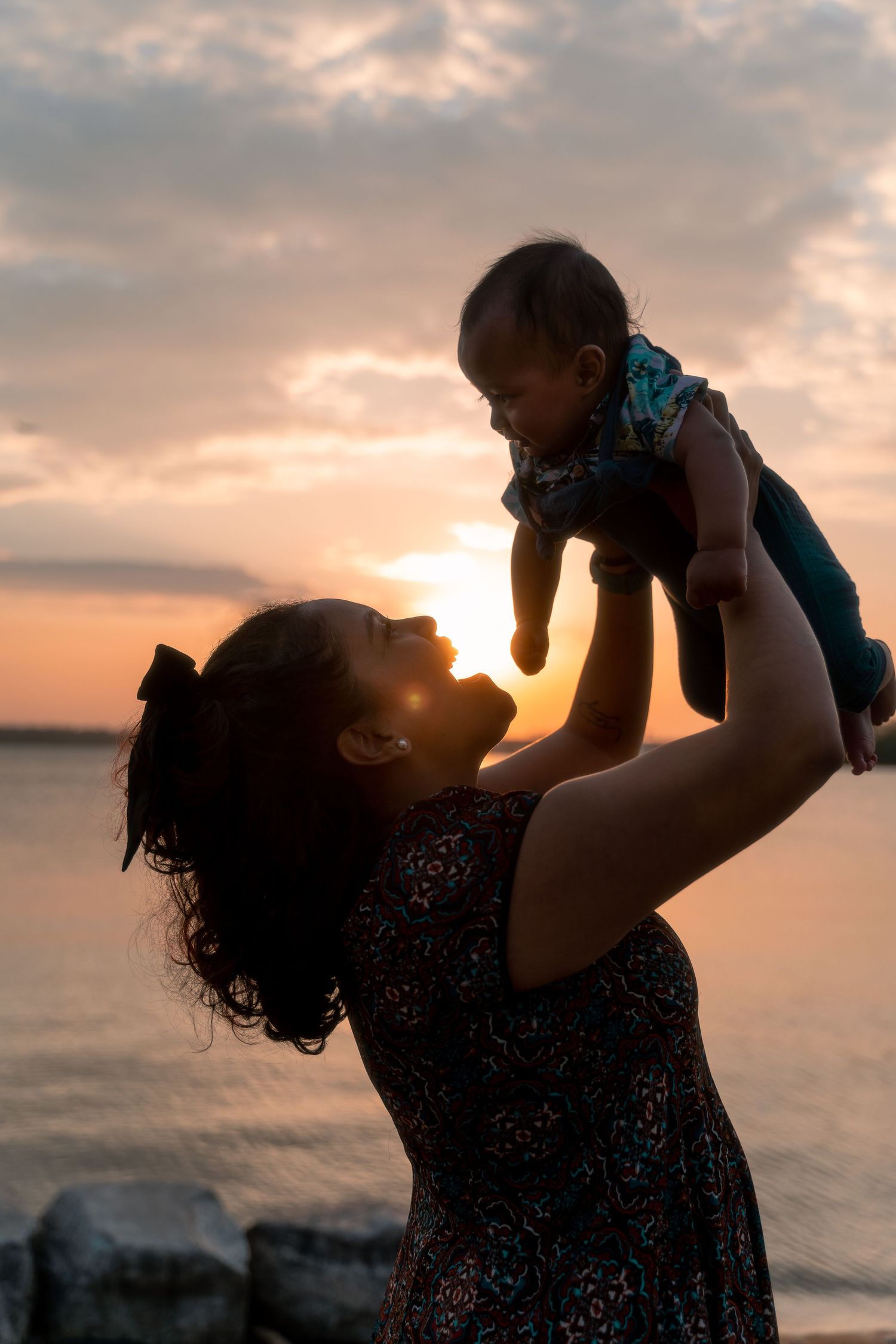
Back Lighting
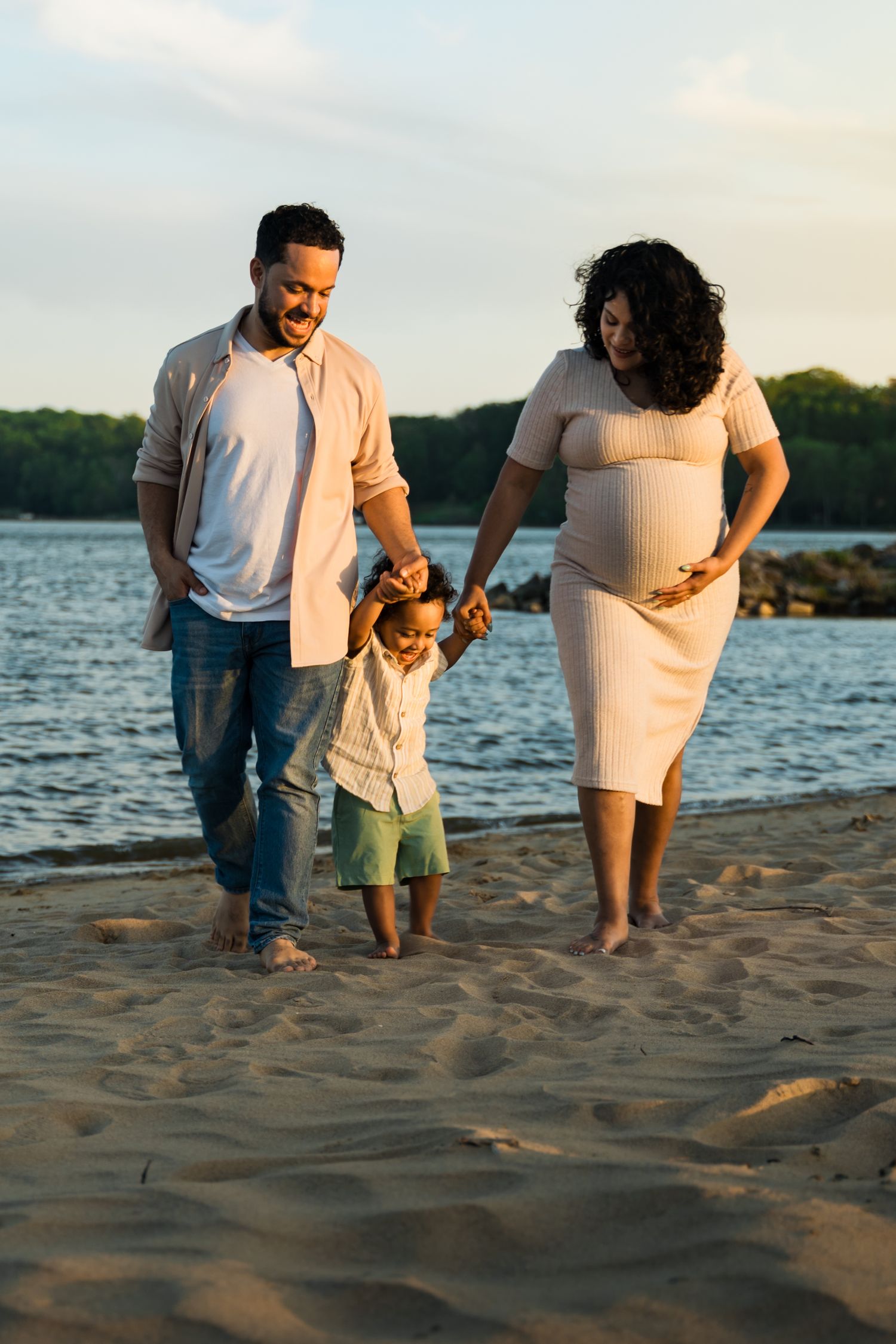
Side Lighting
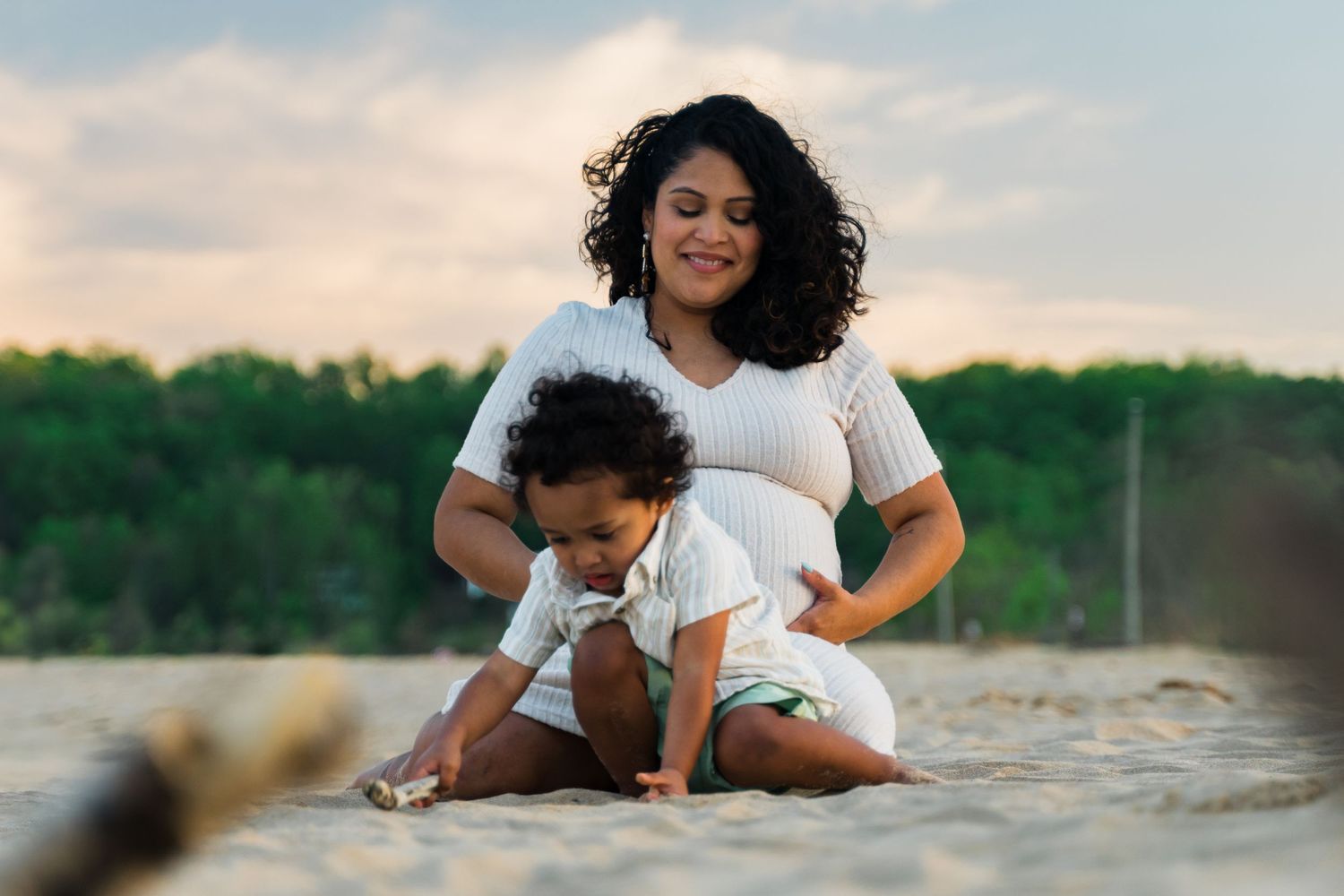
Front Lighting
2. Work with the direction of the sun.
Alright, here's the thing - Golden Hour light is amazing and all but only if you know how to use it.
If you aren't familiar with the area then figure out, beforehand, where the sun is going to be.
When you are at the location you need to think about how the light will hit your subject.
Back lighting
It creates a beautiful halo effect around your subject.
Side lighting
It brings in a dramatic look because of the shadows on the face.
Front lighting
Gives even, glowing skin tones.
We always hope for the best shots but sometimes we have buildings or tall trees in the way. Please, DO NOT let this discourage you.
This will be the time to get creative.
- Use the light rays coming through tree branches or between buildings as leading lines or a sun speckled effect.
- You can even find something to bounce the light going past your subject back at them.
Human: which way the sun go up and which way it go down? 🤔
Nature: the sun rises in the East and sets in the West.
3. Make every minute count.
Here's the reality: Yes, golden hour lasts 60 minutes but you have less than that to actually get the shots you want.
Take into account planning, posing, walking, explaining, scouting, getting creative, explaining that creativity etc.
Plan as much as you can ahead of time but also use this trick that I like to call the "finger trick". This is to know how much golden hour light you have left until the sun sets all the way and you're left with blue hour.
Blue hour is another great time for pictures, where the sun drops below the horizon and gives a blue color.
Also called twilight.
It lasts About 20–40 minutes.
Anyway, back to my finger trick.
If you extend your hand to the horizon with fingers closed and line your pinky above the horizon, you can estimate 15 minutes per finger to know how much time is left before the sun is gone. check this image for more help.
See What I Mean Here
yes you can pull your phone out but you might need to to get some behind the scenes shots of you so you can post later.
yes you can look at your watch but just do the finger trick, its fun.
Golden Hour Camera Settings
ISO - 100-400 increasing as you lose light
Aperture - 2.8-4.0
Shutter Speed - 1/125 and lowering once your iso reaches 400 (since noise begins to show at 800 ISO)
White Balance - Shade or manually to 6000K-6500K
*Have a plan B, maybe you didn't know about blue hour but use that as a plan B and communicate it with your client before the day.
In photography the best thing you can do is understand light and how to "shape" it.
If you prepare and stay adaptable your photoshoot will be great. Now go and make magic, friend.